
Agriculture Knowledge for Everyone

climate change adaptation Tag

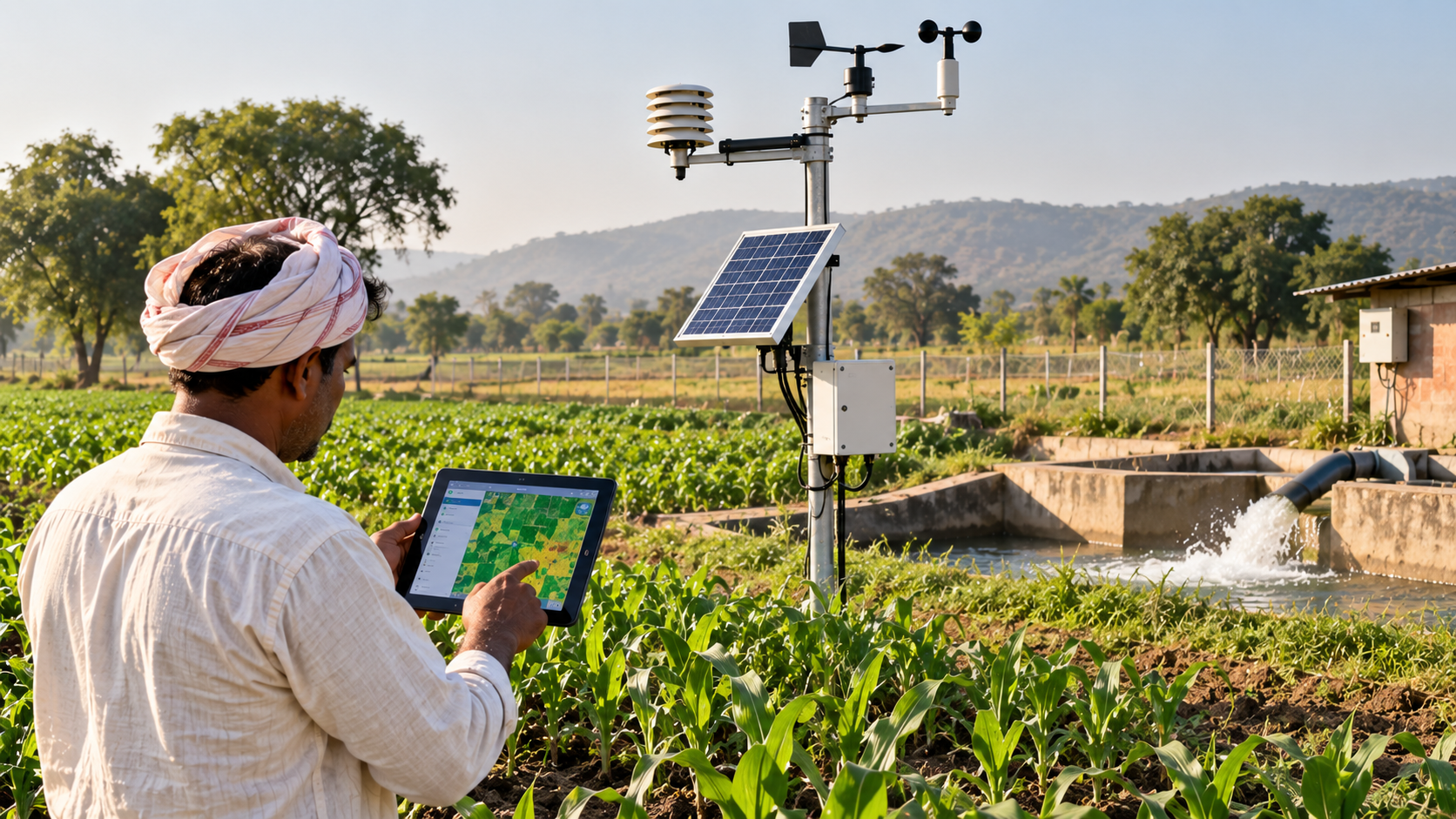
जलवायु परिवर्तन के शमन और अनुकूलन में कृत्रिम बुद्धिमत्ता कंप्यूटर विज्ञान की एक तेजी से विकसित हो रही शाखा है जो बुद्धिमान प्रणालियों के डिजाइन से संबंधित है जो ऐसे कार्यों को करने में सक्षम होती हैं जिनके लिए आमतौर पर मानवीय संज्ञानात्मक क्षमताओं की आवश्यकता होती है, जिनमें सीखना, तर्क करना, समस्या-समाधान और निर्णय लेना शामिल हैं। हाल के वर्षों में, कृत्रिम बुद्धिमत्ता अपने सैद्धांतिक आधार से आगे बढ़कर कृषि, स्वास्थ्य सेवा और पर्यावरण प्रबंधन सहित कई क्षेत्रों में एक परिवर्तनकारी शक्ति के रूप में उभरी है। जलवायु परिवर्तन के क्षेत्र में इसका बढ़ता अनुप्रयोग, जिसे व्यापक रूप से 21वीं सदी की सबसे महत्वपूर्ण वैश्विक चुनौतियों में से एक माना जाता है (Rolnick et al., 2019), विशेष रूप से महत्वपूर्ण है। बड़ी मात्रा में डेटा को संसाधित करके और जटिल पैटर्न की पहचान करके, जो अक्सर विश्लेषण की पारंपरिक विधियों की क्षमता से परे होते हैं, कृत्रिम बुद्धिमत्ता जलवायु परिवर्तन के मूल कारणों को कम करने और इसके तेजी से गंभीर होते प्रभावों के अनुकूलन को सुविधाजनक बनाने के लिए नवीन तरीके प्रदान करती है। 1. Climate Change: A Growing Global Concern जलवायु परिवर्तन: एक बढ़ती हुई वैश्विक चिंता जलवायु परिवर्तन को आम तौर पर तापमान, वर्षा के पैटर्न और चरम मौसम की घटनाओं की आवृत्ति में दीर्घकालिक परिवर्तन के रूप में समझा...

जलवायु परिवर्तन पर काबू पाने के लिए किसानों की अनुकूलन/ शमन रणनीतियां Climate change is a global phenomenon which refers to long term changes of temperature and weather patterns. Major variations in temperature like extreme coldness in winter or extreme heat during summer occurs rapidly. Moreover alterations in seasonal rainfall also occurs leading to flash flood or off-season drought period. Climate change is caused by various factors out of which the main cause is human alterations to the environment. Since the 1800s, various human activities are mainly responsible for the change in climate which include activities like burning of fossil fuels (coal, oil, gas), deforestation, etc. Since the nineteenth century, anthropogenic activities have caused an increase in average temperature of 0.9 °C, primarily as a result of greenhouse gas (GHG) releases into the atmosphere. Given the rate of deforestation, the increase in GHG emissions, and the pollution of the soil, water, and air, it is predicted that this rise will be 1.5 °C by 2050, though it may even be higher. Change in climate also disrupts the agriculture sector as it reduces the availability of food due to reduction in food productivity, lack of water availability, presence of problematic soil conditions like salinity, lack of easy access to food, etc.  It not only affects the...