Agriculture Knowledge for Everyone

Miscellaneous

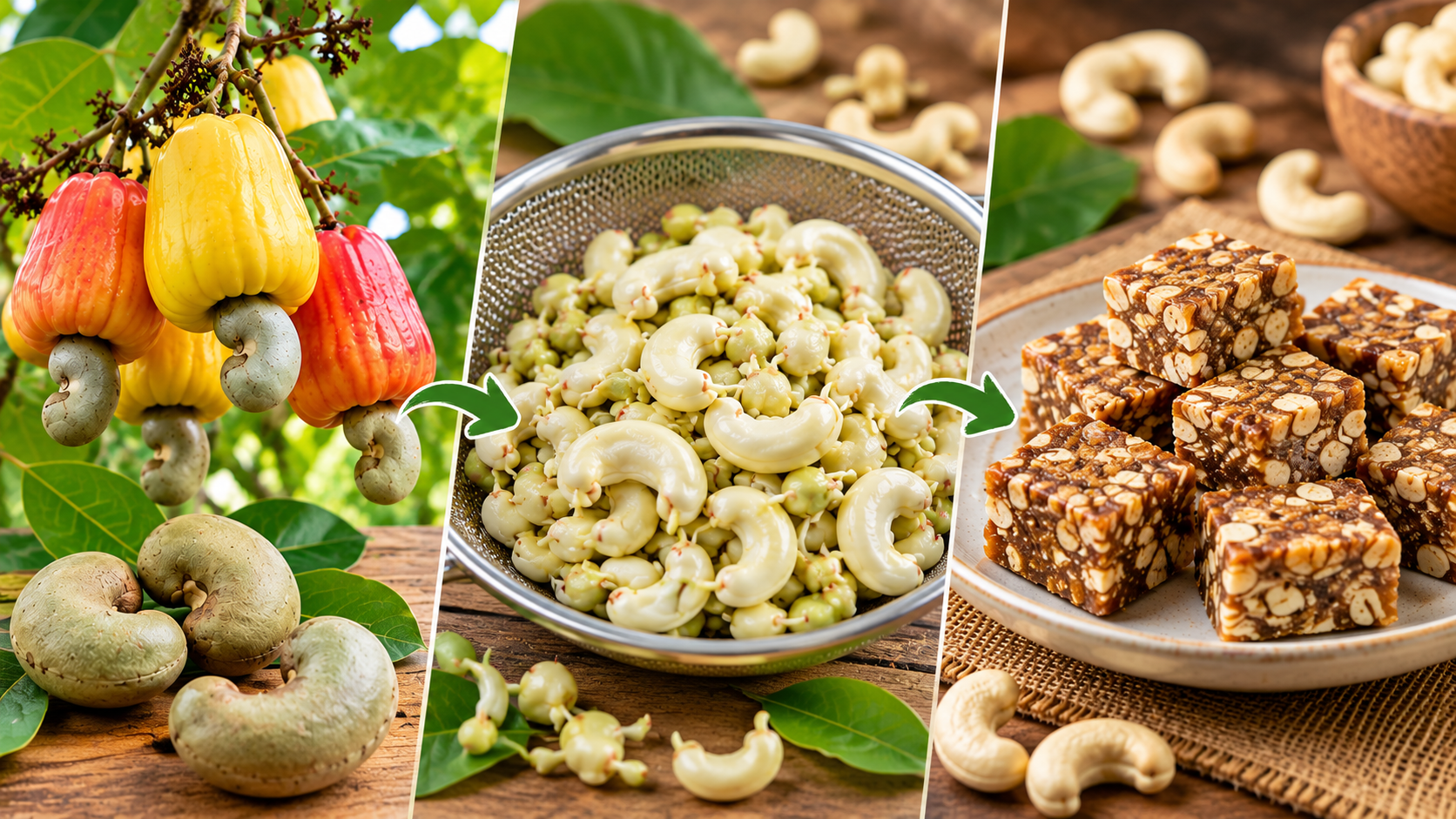
Cashew kernels are widely recognized for their high nutritional value, providing protein, healthy fats, minerals and bioactive compounds. However, like many plant-based foods, they also contain antinutritional factors such as phytic acid, which can bind minerals and reduce their bioavailability. In some individuals, these compounds may also contribute to gastrointestinal discomfort. Sprouting offers a natural processing approach to address these limitations while enhancing the nutritional and functional attributes of cashew kernels. Cashew sprouts are obtained through the controlled hydration and germination of cashew kernels, during which the dormant seed becomes metabolically active. Germination activates endogenous enzymes, particularly hydrolytic enzymes, which initiate the breakdown and transformation of storage components. This biochemical activity can improve protein digestibility and nutrient accessibility, while also contributing to changes in the amino acid profile and the bioaccessibility of essential minerals. Importantly, sprouting promotes the degradation of phytic acid, thereby potentially improving the utilization of minerals such as iron and calcium. The germination process also stimulates the formation and release of several bioactive compounds, particularly phenolic compounds and other antioxidant constituents. Consequently, sprouting can enhance the functional and nutraceutical potential of cashew kernels beyond their conventional nutritional value. This makes cashew sprouts particularly relevant to the growing market for plant-based, nutrient-dense and minimally processed functional foods. To translate the...

प्राकृतिक खेती केवल एक तकनीकी हस्तक्षेप नहीं है, बल्कि यह एक सामुदायिक-संलग्न अभ्यास है। महिलाओं की भूमिका बायो-इनपुट तैयार करना, बीज प्रबंधन, कंपोस्टिंग और फसल विविधता बनाए रखना जैसी प्रमुख गतिविधियों में केंद्रित होती है। ये गतिविधियाँ सामूहिक परंपरा, विश्वास और पारस्परिक समर्थन को प्रोत्साहित करती हैं, जिससे स्थानीय सामाजिक पूंजी मजबूत होती है।...

सही ट्रैक्टर चुनना मुश्किल नहीं है; बस आपको अपनी फसल, ज़मीन और ज़रूरतों को समझना होगा। जल्दबाजी में फैसले न लें। सही ट्रैक्टर आपकी मेहनत कम करेगा, काम में तेज़ी लाएगा और लंबे समय तक चलेगा।...

उच्च-इनपुट खेती के आकर्षण से कुछ समय तक लाभ हो सकता है, पर स्थायी आजीविका वहीं है जो मिट्टी को बचाकर रखे। आज समझदारी इसी में है की हम मिट्टी को फिर से संपन्न बनाएं, इनपुट बाजार पर किसान की निर्भरता कम करके उसे सशक्त बनाएं, और स्थानीय बाजार की सीमाओं से आगे निकलकर समूह के साथ नए रास्ते बनाएं।...

Cow dung and urine, once considered mere waste, can now become a source of income and sustainable farming for farmers through a combination of scientific approaches and traditional knowledge. They can be used to produce not only biogas and organic fertilizer, but also Ayurvedic products and household items....

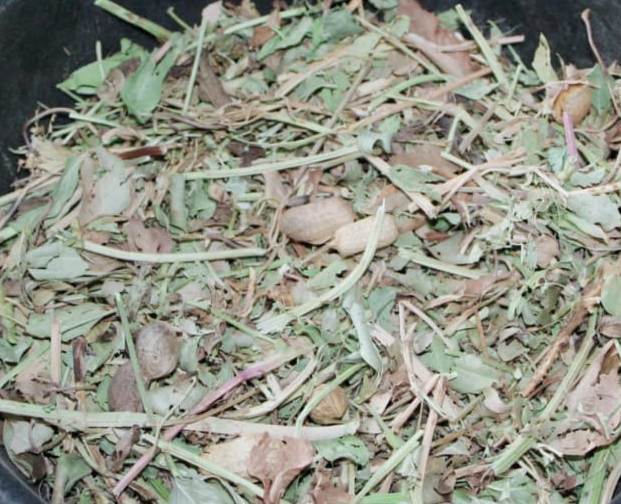
Peanut Fodder: A Promising Resource for Sustainable Animal Nutrition मूंगफली (Arachis hypogaea) प्रोटीन से भरपूर सबसे महत्वपूर्ण फसलों में से एक है और विश्व स्तर पर सोयाबीन, कपास बीज, रेपसीड और सूरजमुखी के बाद पांचवें स्थान पर आती है। यह अपने उच्च तेल और प्रोटीन सामग्री के कारण एक उच्च-ऊर्जा फसल है, जो कच्चे रूप में प्रति दाना 5.6 कैलोरी और भुने हुए रूप में प्रति दाना 5.8 कैलोरी प्रदान करती है। मूंगफली आवश्यक अमीनो एसिड, खनिज और विटामिन का भी एक अच्छा स्रोत है। यह लगभग 32.7 मिलियन हेक्टेयर क्षेत्र में वार्षिक फसल के रूप में उगाई जाती है, जिससे 31.43 मिलियन टन का उत्पादन होता है, और इसकी औसत उत्पादकता 1,648 किलोग्राम प्रति हेक्टेयर है। इसकी गुणवत्ता और उपयोग विकसित और विकासशील देशों में भिन्न-भिन्न होते हैं। मूंगफली को इसके पोषण लाभों, खाद्य एवं चारे के उपयोग, आय सृजन और औद्योगिक अनुप्रयोगों के लिए महत्व दिया जाता है। मूंगफली का चारा (हॉल्म्स) मूंगफली का चारा, जिसे मूंगफली हॉल्म्स भी कहा जाता है एक सूखा पदार्थ है जिसे मूंंगफली भूसा कहते है । भारत के कृषि परिदृश्य में और विशेष रूप से शुष्क क्षेत्रों में इसकी महत्वपूर्ण भूमिका निभाता है। मूंगफली मे,  फल पौधे के निचले हिस्से में आता है और पौधे का शेष भाग से मूंंगफली भूसा तैयार किया जाता है। और इसके पौधे को उखाड़कर...