
Agriculture Knowledge for Everyone

maize varieties Tag

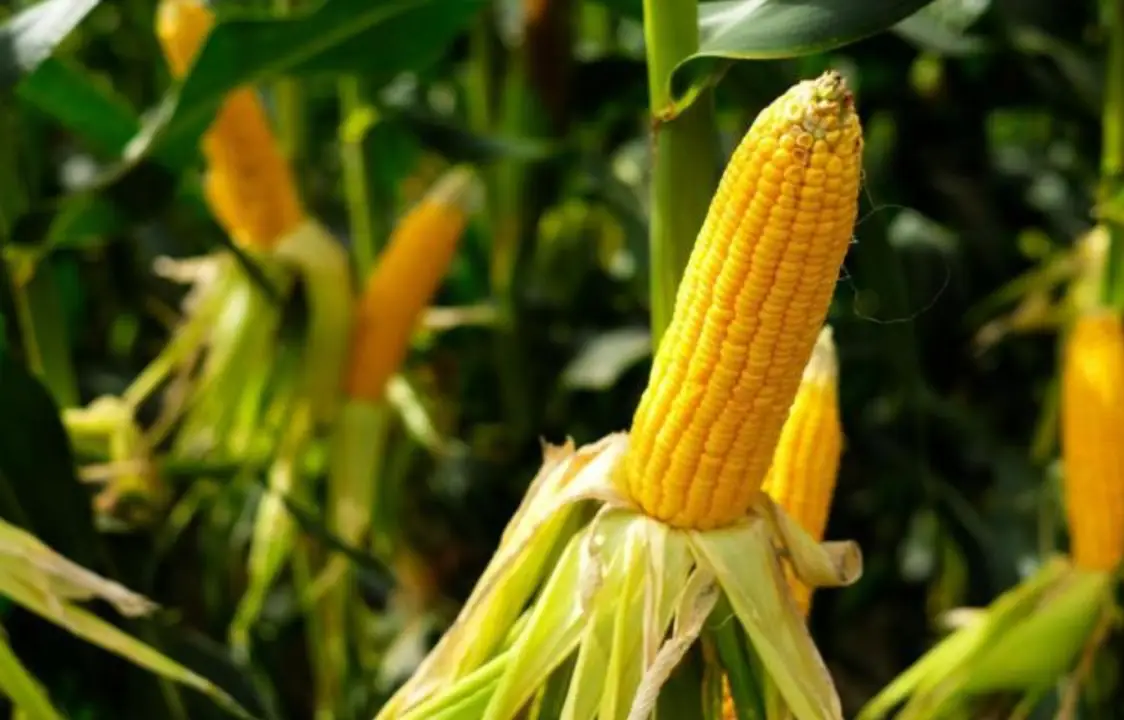
Maize cultivation: how to मक्का खरीफ ऋतु की फसल है, परन्तु जहां सिचाई के साधन हैं वहां रबी और खरीफ की अगेती फसल के रूप मे मक्‍का की खेती की जा सकती है। मक्का कार्बोहाइड्रेट का बहुत अच्छा स्रोत है। यह एक बहपयोगी फसल है व मनुष्य के साथ- साथ पशुओं के आहार का प्रमुख अवयव भी है तथा औद्योगिक दृष्टिकोण से भी मक्‍का की खेती का महत्वपूर्ण स्थान भी है। चपाती के रूप मे, भुट्टे सेंककर, मधु मक्का को उबालकर, कॉर्नफलेक्स ,पॉपकार्न, लइया के रूप मे आदि के साथ-साथ अब मक्का का उपयोग कार्ड आइल, बायोफयूल के लिए भी होने लगा है। लगभग 65 प्रतिशत मक्का का उपयोग मुर्गी एवं पशु आहार के रूप मे किया जाता है। साथ ही साथ इससे पौष्टिक रूचिकर चारा प्राप्त होता है। भुट्टे काटने के बाद बची हुई कडवी पशुओं को चारे के रूप मे खिलाते हैं। औद्योगिक दृष्टि से मक्का मे प्रोटिनेक्स, चॉक्लेट पेन्ट्स स्याही लोशन स्टार्च कोका-कोला के लिए  कॉर्न सिरप आदि बनने लगा है। बेबीकार्न मक्का से प्राप्त होने वाले बिना परागित भुट्टों को ही कहा जाता है। बेबीकार्न का पौष्टिक मूल्य अन्य सब्जियों से अधिक है। जलवायु एवं भूमि:- मक्का उष्ण एवं आर्द जलवायु की फसल है। इसके लिए ऐसी भूमि जहां पानी का निकास अच्छा हो उपयुक्त होती है।     खेत की तैयारी :- खेत की तैयारी के लिए पहला पानी...

बेबी कॉर्न : फसलोपरांत प्रबंधन और मूल्य संवर्धन Baby corn is a young finger like un fertilized cobs of maize used as nutritious vegetable, for humans. It is delicious, decorative and rich in vitamins and minerals besides a good source of easily digestible fibrous protein. It is an organic food being protected in the husk and free from pesticides chemical residues. It is used in developing a numbers of value added products. It is a potential crop to generate income and employment for the rural youth, women besides maintaining the soil health. India can be a potential exporter due to its low cost of production. Post harvest management determines quality, safety, competitiveness of the produce in the market and the profits earned by producers. Post harvest technology includes operations viz., harvesting, de-husking, grading, packaging, transportation, processing, storage, quality standards and labeling. Harvesting baby corn: After harvesting, baby corns should be kept in shady places having good ventilation. Also, it should not be piled up and left for days. It should be de-husked immediate after harvesting, if possible. De-husking of baby corn:  De-husking should be done with pointed end of thin knives so as to lightly slit baby corn length wise. Then, use knives to cleave around the bigger end of baby corn, and husk it along slits on ears...

भारत के पूर्वोत्तर पर्वतीय क्षेत्र में बेबी कॉर्न की खेती। Maize had been cultivated for grain and fodder purpose. It is used both as food for human and feed for livestock especially in poultry industries. It is the third most important cereal crop next to rice and wheat in India and also a predominant cereal in global agricultural economy. It has got immense yield potential and is therefore called as “miracle crop” and also “queen of cereals”. Maize being a C4 plant is an efficient convertor of nutrients into food. In the recent years, baby corn maize has gained popularity as valued vegetable throughout the world including in India. Cobs removed within 3-5 days after their emergence are called baby corns. Cultivation practices of baby corn are similar to that recommended for normal corn production with only exception is the duration of the crop, which is approximate 60 days as compared as 110-120 days in case of grain crop. It can be eaten raw and included in diet in number of ways as salad, chutney, vegetables, pickles, kheer, Chinese preparation, in preparation of spicy foods, soups, pulav etc. Baby corn ears can be canned in two per cent brine solution. Pickles and canned baby corn ears have great potential for export in...