
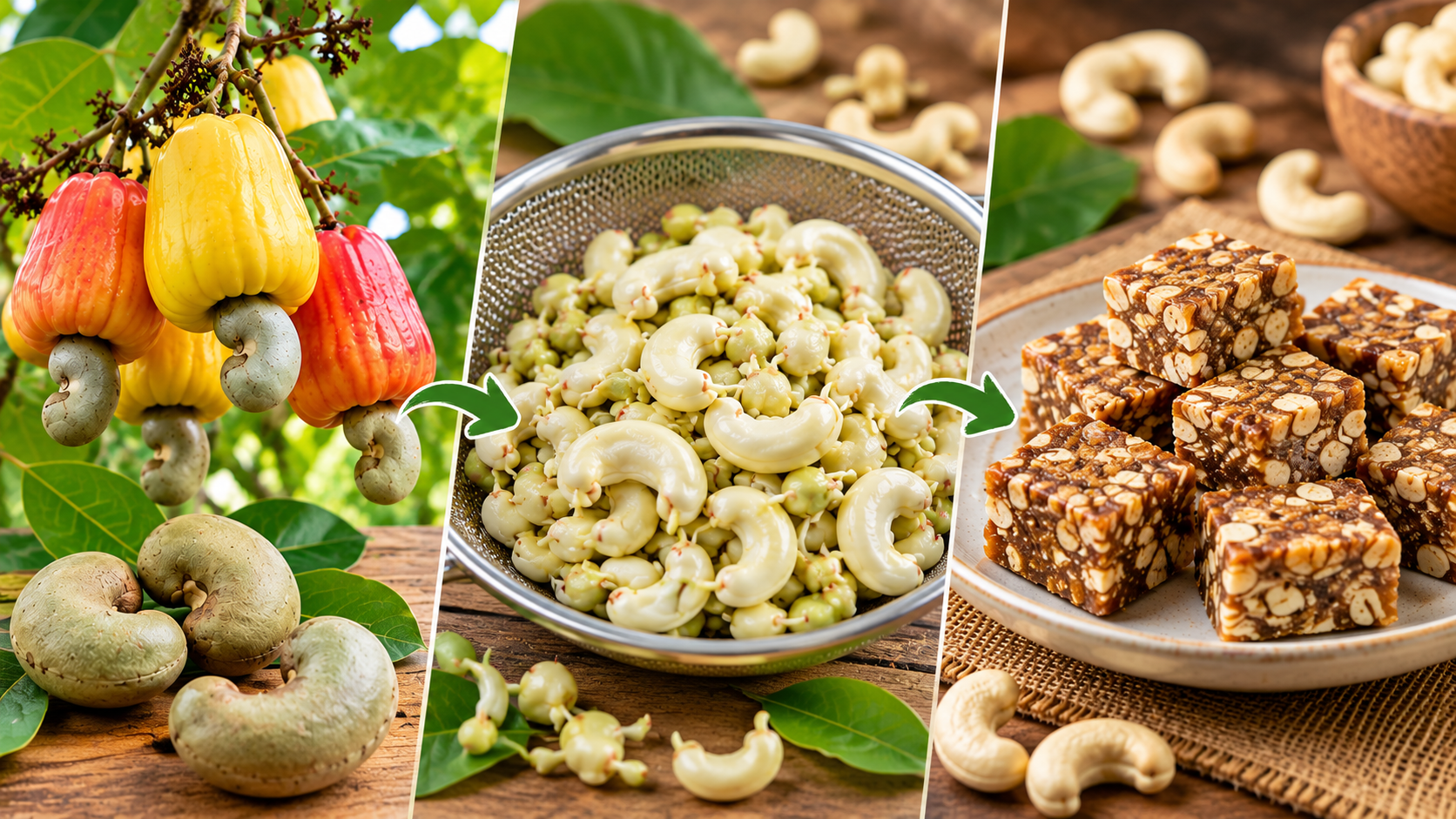
29 Sep Protein and Mineral-Rich Cashew Sprout-Based Functional Snack: Cashew Sprout Healthy Bites
Cashew kernels are widely recognized for their high nutritional value, providing protein, healthy fats, minerals and bioactive compounds. However, like many plant-based foods, they also contain antinutritional factors such as phytic acid, which can bind minerals and reduce their bioavailability. In some individuals, these compounds may also contribute to gastrointestinal discomfort. Sprouting offers a natural processing approach to address these limitations while enhancing the nutritional and functional attributes of cashew kernels. Cashew sprouts are obtained through the controlled hydration and germination of cashew kernels, during which the dormant seed becomes metabolically active. Germination activates endogenous enzymes, particularly hydrolytic enzymes, which initiate the breakdown and transformation of storage components. This biochemical activity can improve protein digestibility and nutrient accessibility, while also contributing to changes in the amino acid profile and the bioaccessibility of essential minerals. Importantly, sprouting promotes the degradation of phytic acid, thereby potentially improving the utilization of minerals such as iron and calcium. The germination process also stimulates the formation and release of several bioactive compounds, particularly phenolic compounds and other antioxidant constituents. Consequently, sprouting can enhance the functional and nutraceutical potential of cashew kernels beyond their conventional nutritional value. This makes cashew sprouts particularly relevant to the growing market for plant-based, nutrient-dense and minimally processed functional foods. To translate the...