Agriculture Knowledge for Everyone

Crop Cultivation

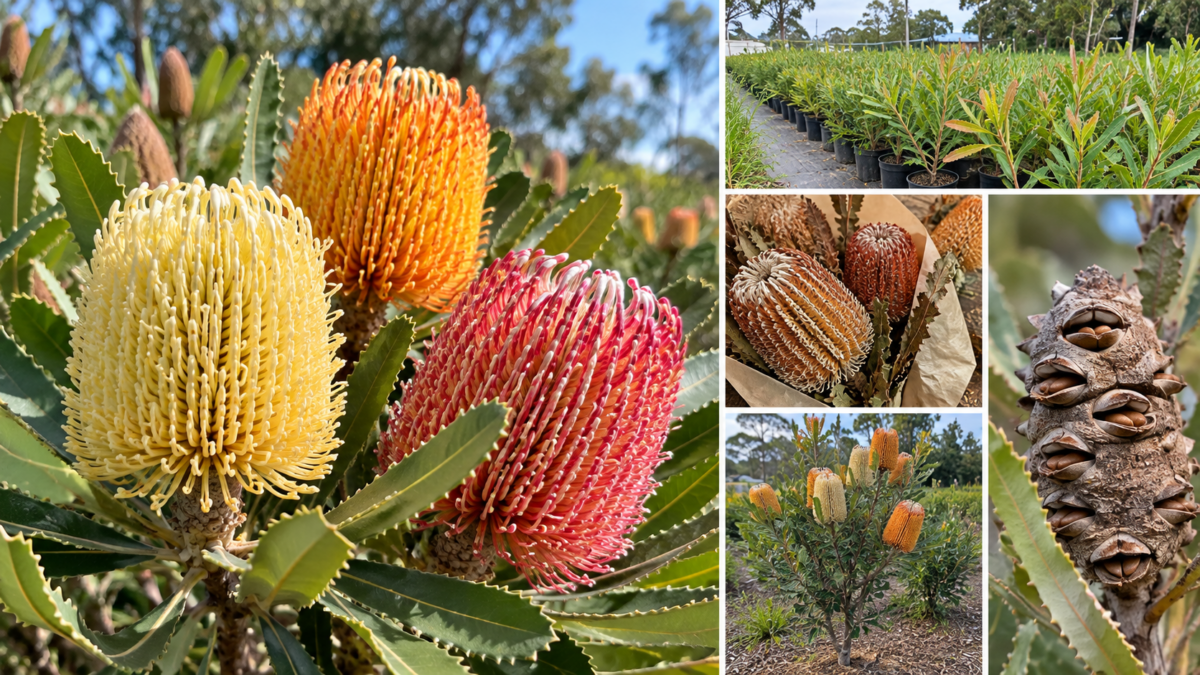
1. परिचय बैंकसिया ऑस्ट्रेलिया का एक बहुवर्षीय और सदाबहार पौधा है जो प्रोटीएसी परिवार से आता है। इसकी पहचान इसके लंबे बेलनाकार फूलों के स्पाइक हैं। एक स्पाइक में सैकड़ों छोटे फूल एक साथ खिलते हैं। फूलों का रंग क्रीम, पीला, नारंगी, लाल या गुलाबी होता है। इसके फूलों में मकरंद अधिक बनता है जो मधुमक्खियों को आकर्षित करता है। भारत में कट फ्लावर, लैंडस्केपिंग और सजावटी बाज़ार में नए तरह के फूलों की मांग बढ़ रही है, जहाँ बैंकसिया एक गैर-पारंपरिक विकल्प बन सकता है। 2. बैंकसिया के मुख्य उपयोग ताज़े कट फ्लावर: स्पाइक मज़बूत होते हैं और कटाई के बाद गमलों में 2 से 3 सप्ताह तक ताज़े बने रहते हैं। सूखे फूल: सूखने पर भी इनका आकार और रंग बना रहता है। क्राफ्ट, वॉल हैंगिंग और सूखे गुलदस्तों में इसका उपयोग होता है। लैंडस्केपिंग: फार्महाउस, रिसॉर्ट, पार्क और सड़क किनारे लगाने के लिए इसकी मध्यम और बड़ी किस्में काम आती हैं। गमले एवं शहरी बागवानी: इसकी बौनी किस्मों को छोटे बगीचों और गमलों में आसानी से लगाया जा सकता है। मधुमक्खियों का पालन: मकरंद अधिक होने के कारण यह मधुमक्खियों के पालन के लिए अच्छा स्रोत है। [gallery type="columns" columns="2" link="file" size="full" ids="12627,12626"] 3. प्रमुख प्रजातियां एवं किस्में कट फ्लावर के लिए बैंकसिया मेंज़ीसी: इसके फूल गुलाबी, लाल और क्रीम रंग के...
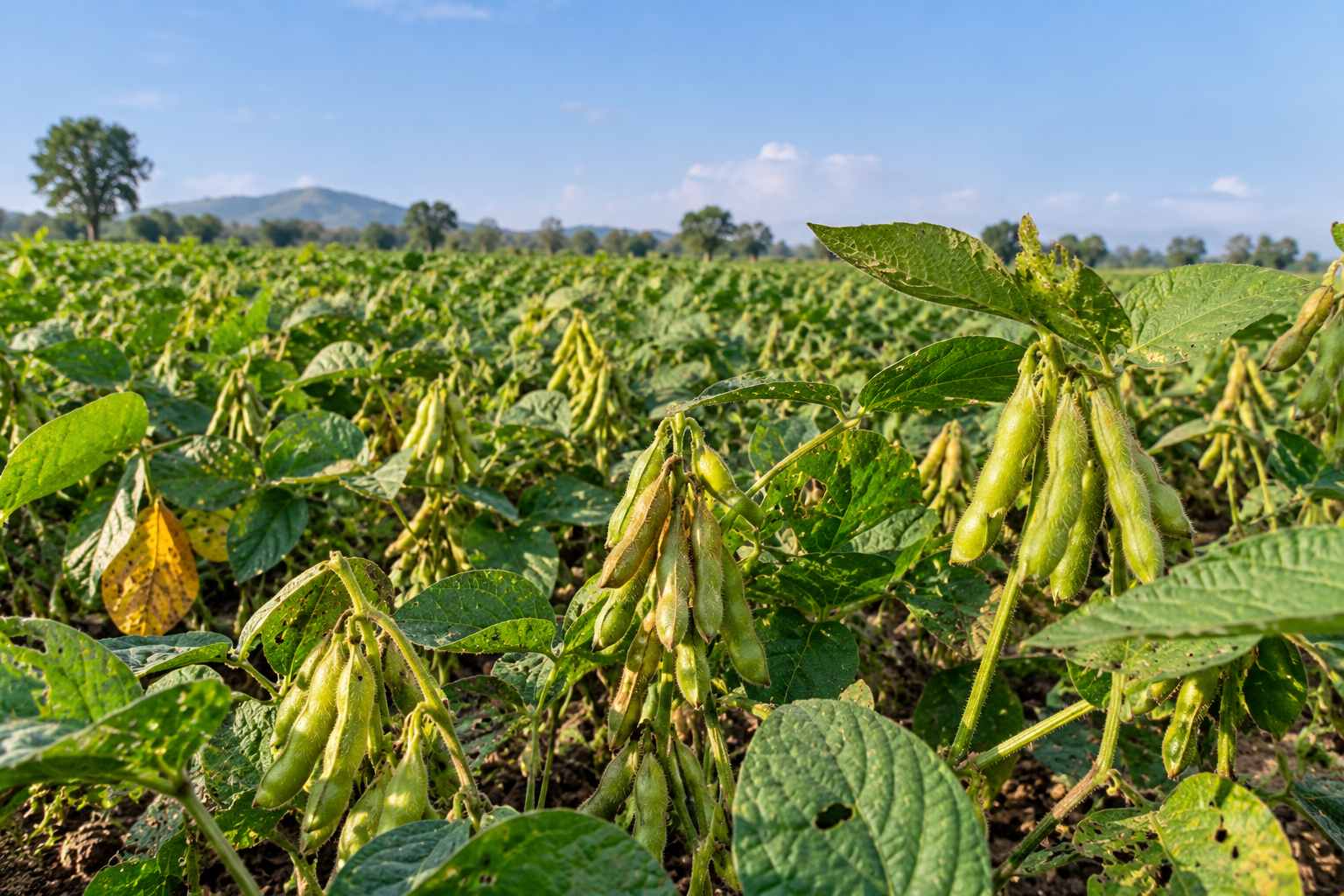
Soybean यानी सोयाबीन India की important oilseed crops में से एक है। इसकी खेती mainly Kharif season में की जाती है। Soybean seed से oil के साथ-साथ soybean meal और कई दूसरे products भी तैयार किए जाते हैं। अगर आप Soybean farming शुरू करना चाहते हैं, तो सिर्फ अच्छी variety चुनना ही काफी नहीं है। सही समय पर sowing, proper plant population, weed management, balanced fertilizer, pest और disease monitoring तथा सही समय पर harvesting—इन सभी बातों का ध्यान रखना जरूरी है। Quick Overview: Soybean की खेती में crop duration, seed requirement, yield और cultivation cost अलग-अलग क्षेत्रों में अलग हो सकते हैं। Soil, rainfall, variety, sowing time और farming practices का सीधा असर production पर पड़ता है। Soybean Cultivation: Basic Information Particular Information Crop Soybean Botanical Name Glycine max Crop Season Mainly Kharif Crop Type Oilseed and protein-rich crop Suitable Soil Well-drained soil with suitable moisture-holding capacity Major Growing States Madhya Pradesh, Maharashtra, Rajasthan, Karnataka और अन्य suitable regions Main Products Soybean seed, soybean oil और soybean meal Soybean की खेती के लिए Climate कैसा होना चाहिए? Soybean को warm climate और पर्याप्त moisture की जरूरत होती है। India में इसकी खेती mainly monsoon यानी Kharif season में होती है। Rainfed farming में monsoon का समय और rainfall distribution crop establishment और growth के लिए बहुत important होता है। बहुत ज्यादा पानी भी Soybean crop के लिए अच्छा नहीं होता। अगर...

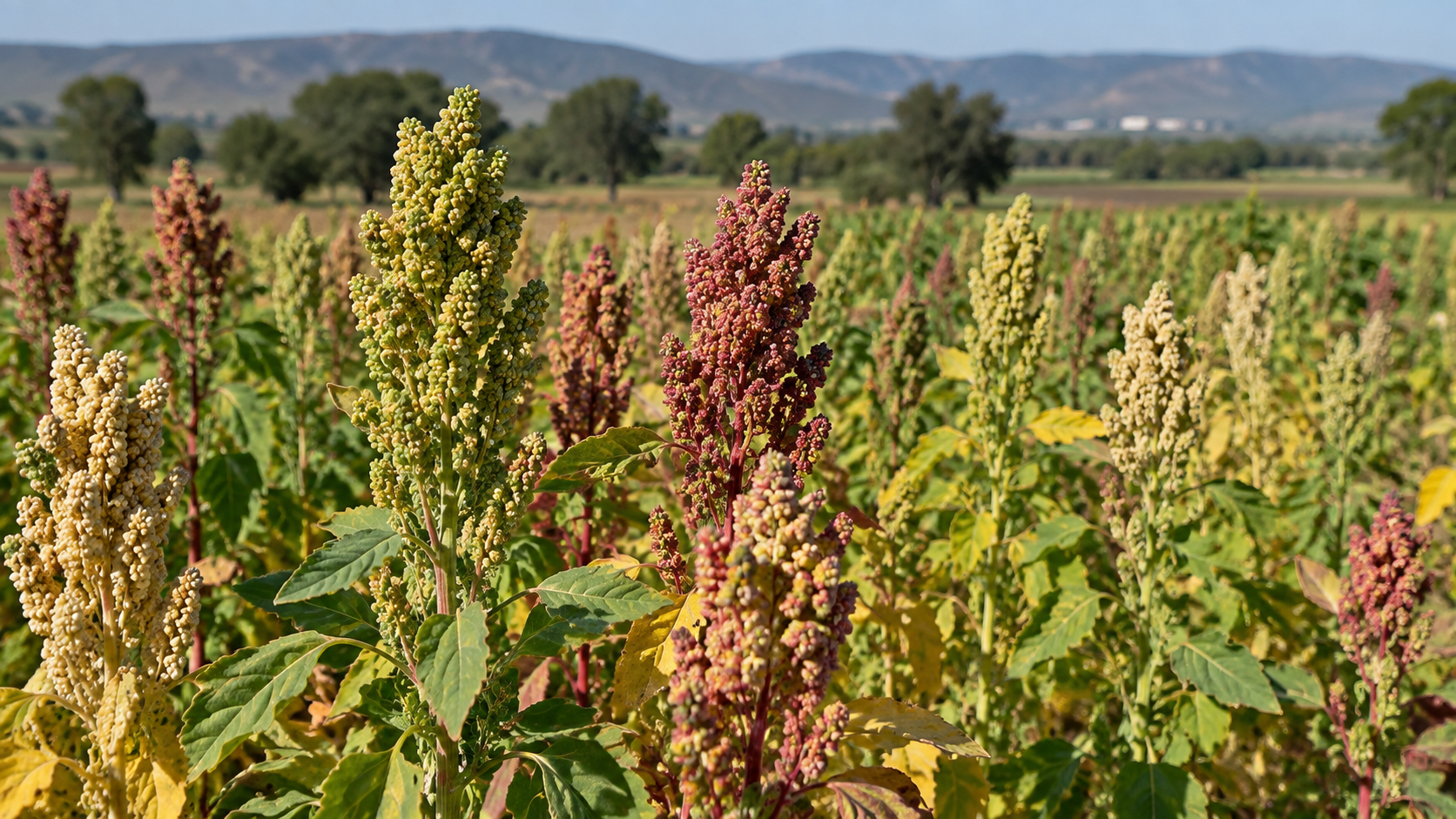
भारत में क्विनोआ की खेती: जलवायु, मिट्टी, बुवाई, सिंचाई और उत्पादन की पूरी जानकारी क्विनोआ एक पौष्टिक अनाज जैसा खाद्य बीज है, जिसकी मांग पिछले कुछ वर्षों में स्वास्थ्यवर्धक खाद्य पदार्थों के कारण बढ़ी है। भारत में भी किसान इसे पारंपरिक फसलों के विकल्प और फसल विविधीकरण के रूप में देख रहे हैं। क्विनोआ की खास बात यह है कि यह अलग-अलग परिस्थितियों में उग सकता है और कुछ किस्में कम पानी तथा लवणीय मिट्टी जैसी परिस्थितियों को भी अपेक्षाकृत अच्छी तरह सहन कर सकती हैं। हालांकि, इसका मतलब यह नहीं है कि हर क्षेत्र में क्विनोआ की खेती समान रूप से सफल होगी। स्थानीय जलवायु, मिट्टी, किस्म, बुवाई का समय और बाजार की उपलब्धता को ध्यान में रखना जरूरी है। जो किसान पहली बार क्विनोआ की खेती शुरू करना चाहते हैं, उनके लिए छोटे क्षेत्र से शुरुआत करना बेहतर हो सकता है। इससे स्थानीय परिस्थितियों में फसल के प्रदर्शन और बाजार की मांग को समझने में मदद मिलती है। क्विनोआ क्या है? क्विनोआ का वैज्ञानिक नाम Chenopodium quinoa है। यह एक बीज वाली फसल है, लेकिन इसके बीजों को चावल और अन्य अनाजों की तरह पकाकर खाया जाता है। वनस्पति विज्ञान की दृष्टि से यह गेहूं या चावल जैसे पारंपरिक अनाजों से अलग है। क्विनोआ के पौधे की ऊपरी शाखाओं पर फूल और बीजों के...

1. Introduction Nano-bioformulations are innovative delivery systems that bring together the principles of nanotechnology with biological components to enhance the effectiveness of drugs, biomolecules, and agrochemicals. At the nanoscale (1–100 nm), molecules behave differently compared to their bulk forms, showing enhanced stability, solubility, bioavailability, and targeted delivery. These unique properties make nano-bioformulations a powerful tool in modern science, especially in medicine, agriculture, and biotechnology. The idea of working at the nanoscale was first envisioned by physicist Richard Feynman in 1959, who suggested that manipulating matter at the atomic level could open new scientific possibilities. 2. Types of Nano Bioformulations 2.1 Nanoparticles (NPs): Tiny solid particles (1–100 nm) made of polymers, lipids, or metals that are able to encapsulate drugs or biomolecules, protecting them from degradation and allowing slow, controlled release. Example: PLGA nanoparticles for anticancer drug delivery. 2.2 Nanoemulsions: Stable mixtures of oil and water at the nanoscale, stabilised by surfactants, can improve the solubility of hydrophobic compounds and are widely used in food, agriculture, and cosmetics. Example: Neem oil nanoemulsion for pest control. 2.3 Liposomes: Bilayered phospholipid spherical vesicles can mimic cell membranes and can carry both water-soluble (inside core) and fat-soluble (within bilayer) molecules. Example: Liposomal vitamin C for enhanced absorption. 2.4 Polymeric Nanocarriers: Biodegradable polymers such as chitosan or PLGA can form nanospheres or nanocapsules. They are...