
Agriculture Knowledge for Everyone

Animal husbandry

दूधारू पशुओं में बाँझपन की समस्या के कारण एवं उनका निवारण  पिछले कई दशकों से यह पाया गया है कि जैसे-जैसे दूधारू पशुओं के दुग्ध उद्पादन में वृद्धि हुई है वैसे-वैसे प्रजनन क्षमता में गिरावट हुई है । दूधारू पशुओं की दूध उत्पादन की क्षमता प्रत्यक्ष रूप से उनकी प्रजनन क्षमता पर निर्भर करती है । दूधारू पशुओं में बाँझपन की स्थिति पशुपालकों के लिए बहुत बड़े आर्थिक नुकसान का कारण  है । पशुओं में अस्थायी रूप से प्रजनन क्षमता के घटने की स्थिति को बाँझपन कहते है । बाँझपन की स्थिति में दुधारू गाय अपने सामान्य ब्यांत अंतराल  (12 माह) को क़ायम नहीं रख पाती । सामान्य ब्यांत अंतराल को क़ायम रखने के लिए पशु ब्याने के बाद 45-60 दिनों के मध्यांतर मद में आ जाना चाहिए और 100 दिनों के भीतर गाभिन हो जाना चाहिए । यदि पशु ब्याने के 60 दिनों के बाद भी मद (गर्मी) में नहीं आता है तो पशु की पशुचिकित्सक से जांच करानी चाहिए और वह सब उपाए करने चाहिए जिससे की पशु जल्द से जल्द मद में आ जाये । दूधारू पशुओं में बाँझपन की स्थिति के लिए 4 प्रमुख कारण जिम्मेदार है: जन्मजात/ संरचनात्मक/ अनुवांशिक, कार्यात्मक, संक्रामक एवं प्रबंधन से संबंधित । 1. जन्मजात/ संरचनात्मक/ अनुवांशिक बाँझपन: इसके अंतर्गत अंडाशय (ओवरी) का अविकसित होना, अंडाशय में पुटक...
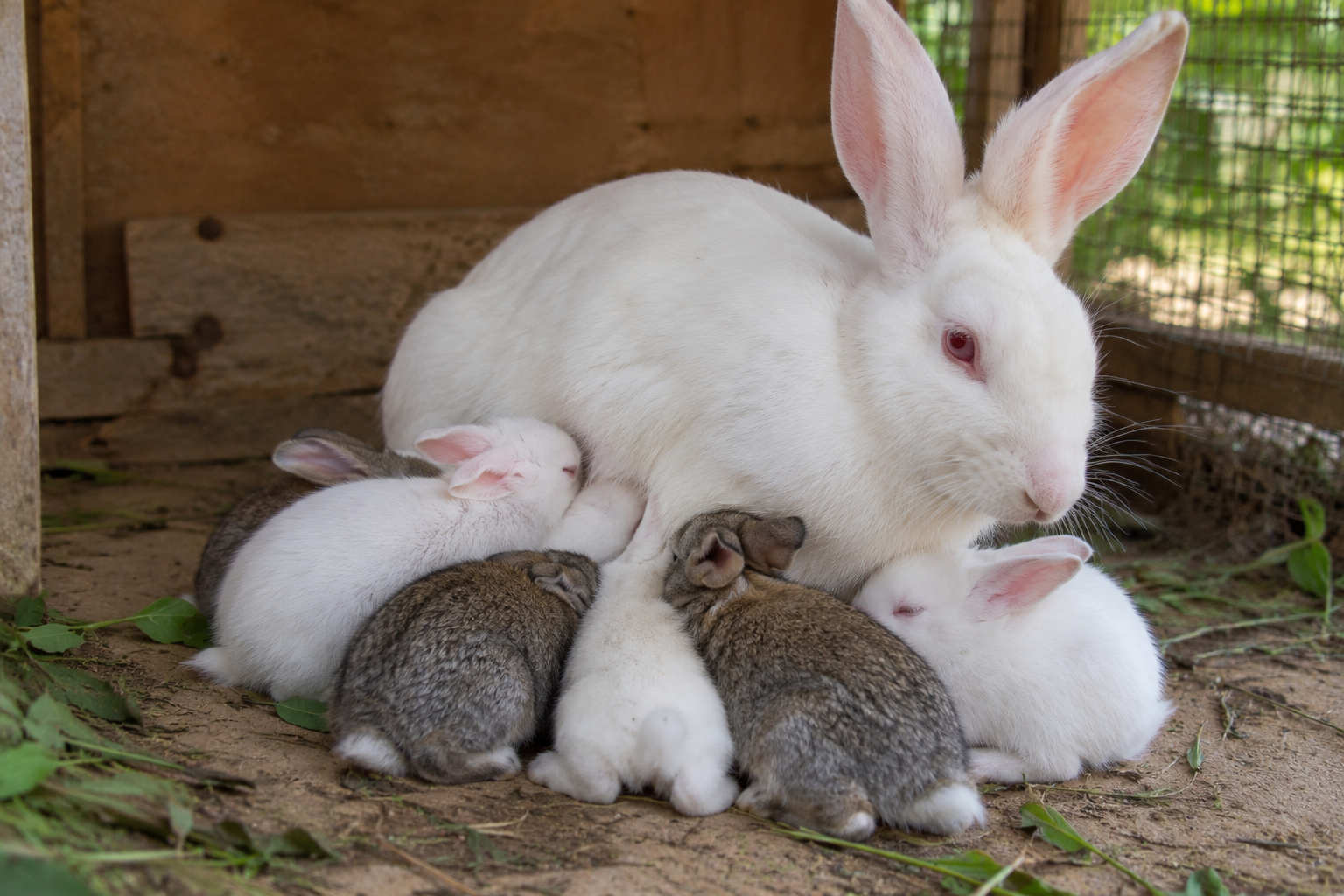
खरगोशों में प्रजनन: शुरुआती खरगोश पालकों के लिए मूल बातें  Rabbitrearing is an enterprise which has limitless scope in a developing country like India where large population is involved in subsistence farming. Being a second most populous country in the world, feeding the population with a nutritious food remains a priority for the governments. Rabbit, a small plant-eating animal, has tremendous potential to convert the inedible plant material to high protein meat. Rabbit is the highly prolific domesticated species gaining popularity in the recent decades. Rabbit meat is consumed in certain parts of world and India traditionally. But majority of the population is yet to taste the rabbit meat. Rabbit rearing is not so popular like that of cattle, sheep, goat, pig and poultry. But the scope is high as they reproduce rapidly and every time they give birth to more number of kits. Rabbits require cheap roughages for their normal productive life. Advantages and scope of Rabbitry The reproduction potential of rabbits is unmatched. With a short gestation period, a rabbit can give birth 6-8 times in a year with an average litter size of 4-6. Theoretically, 80 kits/doe/year. Rabbits are noiseless animals; hence, they can be maintained in urban or suburban localities also without creating nuisance to the neighbors. Rabbits are suitable for...

पशुओं में प्रजनन सम्बन्धी रोग एवं प्रवंधन  पशुपालन को लाभकारी बनाने के लिए पशुओं में होने वाली प्रजनन सम्बन्धी समस्याओं का प्रवंधन अति आवश्यक है। प्रजनन सम्बन्धी प्रमुख समस्याओं में पशु का समय पर  हीट में  न आना (एनेस्ट्रस), बार बार कित्रिम गर्भाधान के बाद भी गर्भ धारण नहीं होना (रिपीट ब्रीडिंग), बच्चेदानी में सूजन होना, उसमे मवाद का भर जाना, प्रसव के दौरान बच्चा फँस जाना, जेर का समय से न गिरना, गर्भावस्था के शुरुवात में ही भ्रूण की मृत्यु हो जाना, गर्भपात हो जाना इत्यादि शामिल है। विदेशी नस्ल की गायों (जैसे जर्सी, होल्सटीन फ़्रिसियन आदि) में प्रजनन सम्बन्धी समस्याएँ देसी नस्ल की गायों (जैसे साहीवाल, गिर, थारपारकर आदि) की तुलना में अधिक पायी जाती है। काफी उम्र हो जाने  के बाद भी जब पशु हीट (मद) में नहीं आते तो इस अवस्था को एनेस्ट्रस बोलते है। एनेस्ट्रस का मतलब पशु का हीट में नहीं आना होता है। आम तौर पर जब कोई गाय अपने परिपक्व वजन का ६०-६५ % प्राप्त कर लेती है तो उसे हीट में आ जाना चाहिए। प्रथम सफल गर्भधारण की उम्र सामान्यतया देशी गायों में 2७-३० महीने, विदेशी गायों में १५-२० महीने तथा भैसों में ३०-३६ महीने होती है जो उसकी नस्ल, खान- पान, मौसम आदि कई चीजों पर निर्भर करती है। प्रसव के बाद गाय...

खेती वाले खरगोशों में रोग- एक सिंहावलोकन Rabbits are highly prolific animals which have enormous reproduction potential. They have the capacity to convert 20% of their feed protein to meat protein second to broiler chicken which has 23% conversion. Rabbit rearing is expected to be a viable alternative to broiler poultry industry as virtually there is zero competition between them for feed resources. Like all other domesticated species, rabbits are also susceptible for various ailments. They are afflicted by number of infectious and non-infectious diseases. The success of rabbit industry relies upon reduction in the mortality, increase in the fryer production per maternity cage, reduction in operation / feeding cost. To run a Rabbitry with economic success, every effort should be made to reduce the loss of kits, does and fryers. Diseases are the commonest cause of loss of litter, doe and fryers. The common disease control strategy followed in other farm animals cannot be applied as such in rabbits. In this publication, an attempt is made to give a brief introduction to commonly occurring diseases in farmed rabbits and their management especially for beginners. 1. Snuffles in Rabbits Snuffles is almost similar to common cold in human beings but it is caused by a very common bacteria. Poor ventilation in Rabbitry can predispose to snuffles. Building...

Hydroponic fodder production: a cost effective technique  हमारे देश में सर्वाधिक पशुसंख्या  होने के बावजूद प्रति पशु उत्पादकता को बढ़ाना एक बहुत बड़ी चुनौती है। भारतवर्ष में दुधारू पशुओं का औसत दूध उत्पादन 1172 किग्रा प्रति वर्ष प्रति पशु है  जो की विश्व के औसतन उत्पादन से काफी काम है  इसका मुख्य कारण पर्याप्त मात्रा में हरे और सूखे चारे की कमी है। दुधारू पशुओं को यदि आवश्यकतानुसार  संतुलित आहार देना है तो वर्षभर उत्तम गुणवत्ता वाले हरे चारे का उत्पादन करना होगा। पशु उत्पाद जैसे दूध और मांस  की उत्पादन लगत में डेन और चारे का योगदान 60 से 70 प्रतिशत तक है जिसमे 30-35 प्रतिशत योगदान हरे चारे का होता है। देश में हरे चारे की मांग (2010) 816.8 मिलियन टन है जबकि इसकी आपूर्ति मात्र 525.5 मिलियन टन है इस प्रकार हरे चारे की कुल कमी लगभग 291.3 मिलियन टन है। यह कमी आवश्यक हरे चारे की  मात्रा की लगभग 35 प्रतिशत है। भारत में तेजी से शहरीकरण और खनन  क्षेत्रों  के कारण चराई क्षेत्र एवं हरा चारा उत्पादन वाले क्षेत्रों में कमी हुई है।  इस समस्या के कारण पशुपालकों  को हरा चारा उत्पादन की वैकल्पिक और टिकाऊ  विधि की आवश्यकता  हुई  है। यह बहुत ही स्पष्ट है  कि लगत में वृद्धि एवं प्राकृतिक संसाधनों में ह्रास  को काम करने...

मवेशी में जीर्ण और अर्धजीर्ण रयूमि‍नल एसिडोसिस Ruminal acidosis is a fermentative disorder of the ruminants in which the ruminal pH decreases below the normal range. The condition is usually associated with the ingestion of large amounts of highly fermentable starch rich feeds. Feeding high grain diets to the dairy cows by the farmers for maximum milk production increases the risk of acidosis which can reduce milk production and affects the health of the cow. The nature of ruminal acidosis ranges from life-threatening peracute forms to subacute chronic illness. In peracute cases severe metabolic acidosis and toxaemia may occur leading to recumbancy, coma and death within few hours. Acute ruminal acidosis is a serious condition, occurs quickly and characterised by the anorexia, abdominal pain, rapid breathing, diarrhoea, dehydration, ruminal hypotony, staggering, recumbancy and severe depression in ruminal pH. The subacute form is less intense but more common in the herd. During subacute ruminal acidosis the pH depression is slight and the clinical sign are poorly expressed which may go unnoticed for longer. The subacute cases has long-term devastating health and economic impacts to the dairy farmers due to reduced feed digestibility and absorption, reduced milk yield and fat percentage, weight loss, lameness and various other health complications so the periodic monitoring of the herd...

बछड़ेे में दस्त: जन्म के पहले तीन महीनों के दौरान गौवंस की विनाशकारी बीमारी Diseases of the neonatal calf and related mortality is major cause of economic losses in animal husbandry. Among these, diarrhoea is one the most common diseases reported in calves up to 3 months old. Calf diarrhoea (scouring) is a multi-causative disease that can result in serious financial and animal welfare implications during early period of life. Calf diarrhoea is attributed to both infectious (viral, bacterial, protozoa) and non-infectious factors. The environment and management practices, mineral imbalances also influence disease severity or the outcome of calf diarrhoea. The multifactorial complexities of calf diarrhoea makes the disease difficult to control effectively in modern husbandry practices. Acute diarrhoea in calves is responsible for major cause of deaths in dairy husbandry during the pre-weaning period. Calf mortality during early 1-2 months may vary from 10-30% and 60% of these results from calf diarrhoea. The economic losses occur not only from mortality but also from treatment costs and time spent on care as well as subsequent chronic ill thrift and impaired growth performance. Calf diarrhoea is often recognized by passage of soft fluid to watery or sometimes bloody faeces, abnormal colour, rapid body weight loss and metabolic changes due to dehydration and electrolyte loss. The presented article aims...

गांय में फि‍रने की समस्‍या - दूध उत्पादन में एक बाधा Fertility is the most essential criterion for the success of the food animal husbandry. Regular and timely conception and calving is very essential for profit oriented dairy keeping. In cattle, especially in cross bred cattle, many farmers’ experience this unwarranted and loss making condition called Repeat Breeding. In this, cows will come to heat regularly but they fail to conceive after successful mating. This repeat breeding will incur expenditure by cost of repeated inseminations, cost of management of this condition, cost of feeding without production, loss of milk due delayed conception. We can call a cow “repeat breeder” only when it should have calved early, coming to heat, inseminated with good quality semen but remains unconceived for more than 2 – 3 consecutive times. Repeat breeding detrimentally affects the cost-effective programme of one calf per year in cows and 2 calves in three years in buffaloes. RBC syndrome is per se a group of sign but the reasons are multiple and combinations. This condition very commonly observed only in cross bred cattle. Jersey and Holstein cross bred cattle are very commonly affected in our country. Among them also, aged cattle at their 4th or 5th calving are very vulnerable. But young cow at their 2nd...